The Earthenic Standard
Organic is the beginning, not the conclusion. Earthenic was created around a simple discomfort: the labels we rely on tell us surprisingly little about the food we consume most often. So we built a different way of choosing.
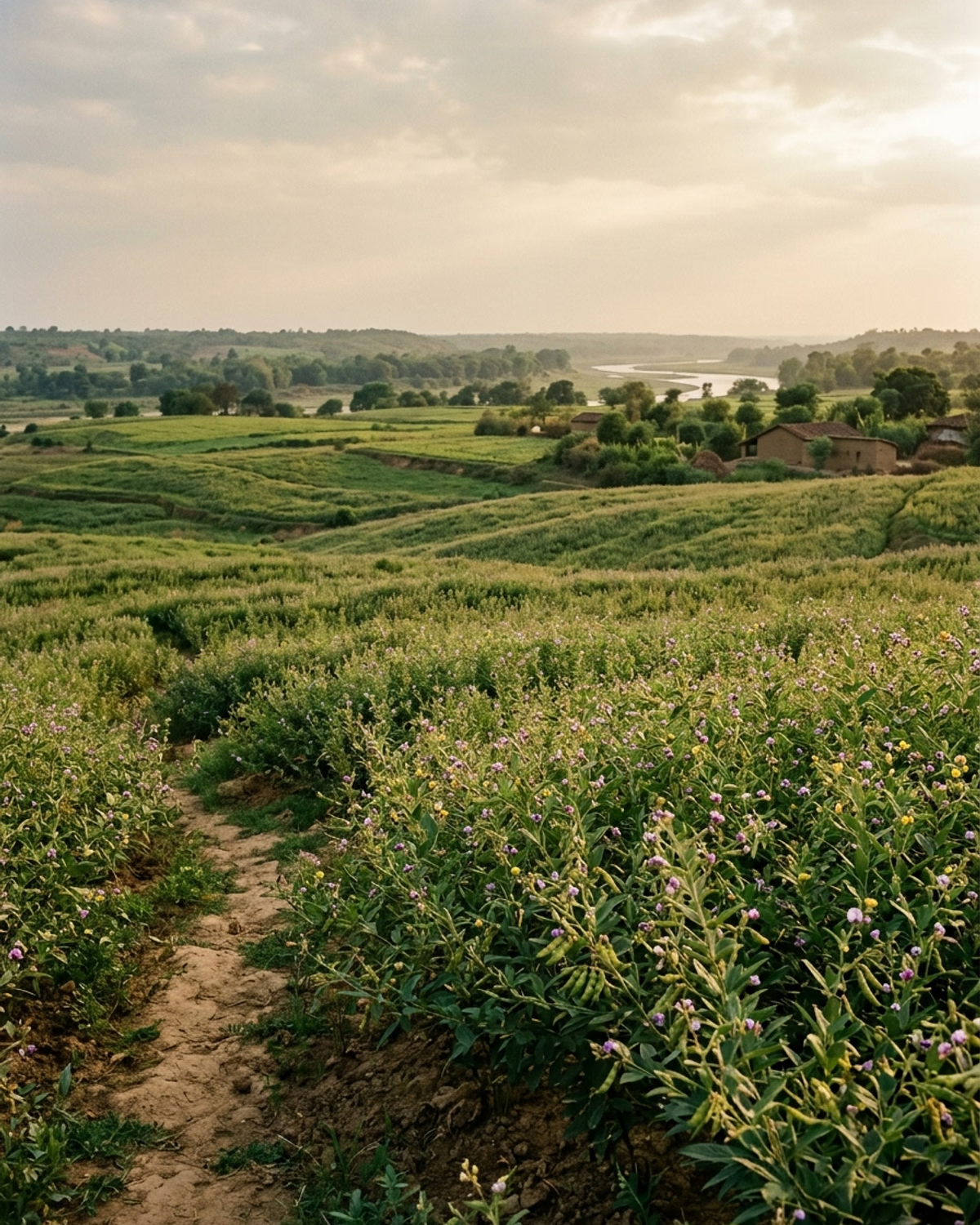
Start with the origin
We don't begin by asking which supplier can provide a product. We begin by asking where the product should come from. Soil, regional climate and agrarian lineage guide the search before any harvest is selected.
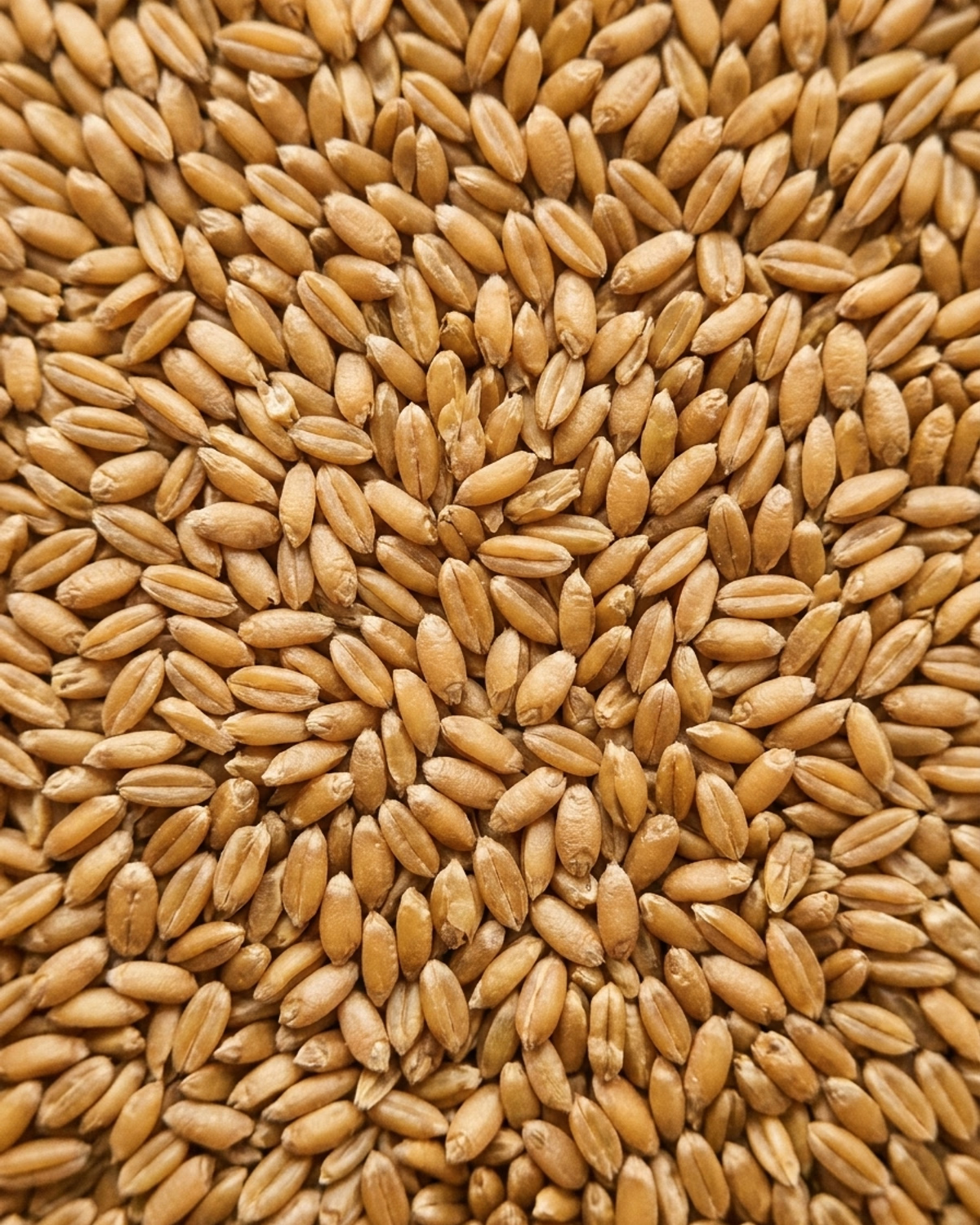
Follow the crop, not just the certificate
Weather forms part of a crop's story. Where records are available, Earthenic considers the conditions that existed across the growing cycle—from sowing to harvest.
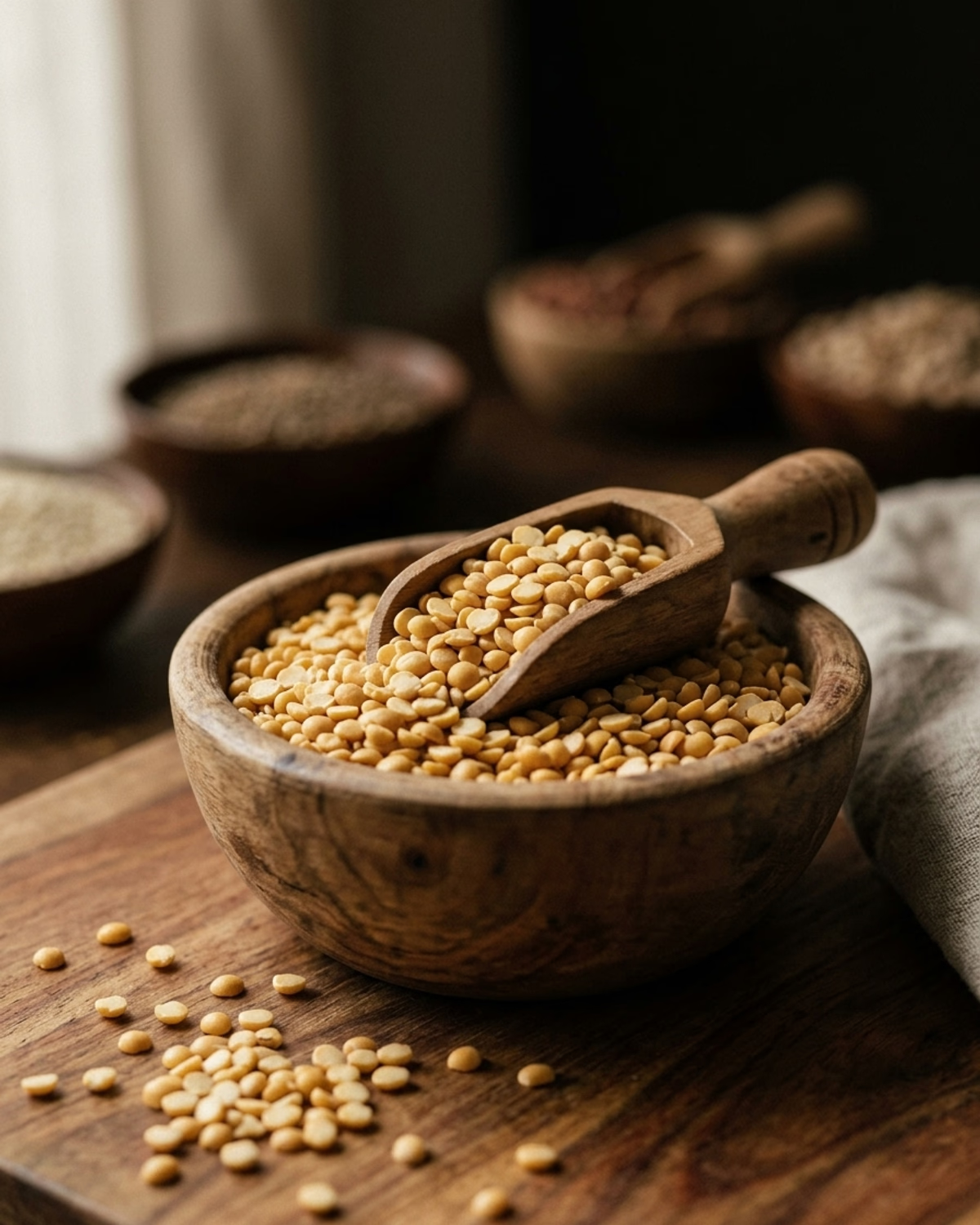
Organic is permission to enter. Not permission to stay
Certification forms one part of the criteria. Earthenic then evaluates the product itself. How does it look? How does it smell? How does it taste? How does it cook? If the product is not exceptional in use, the label does not rescue it.
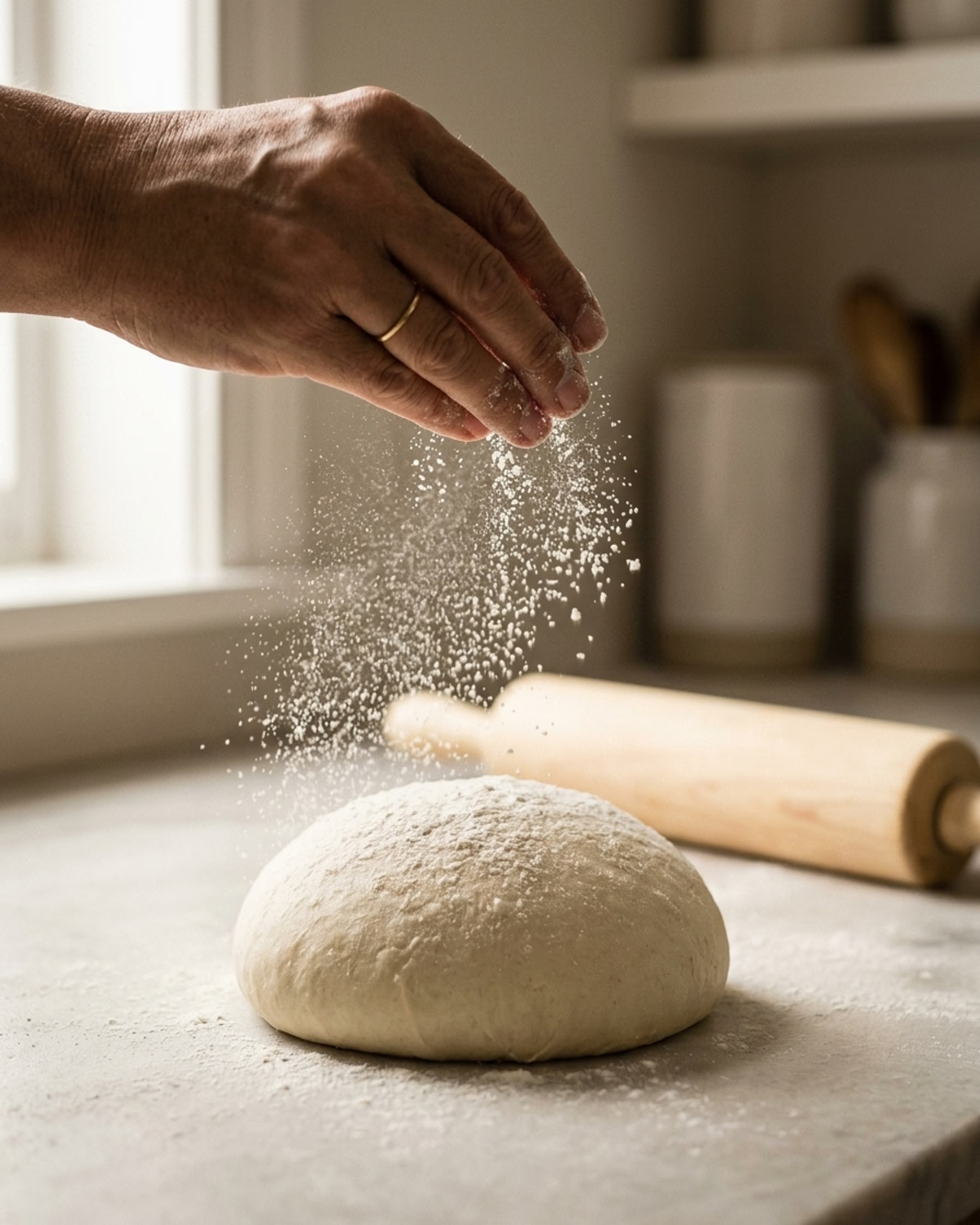
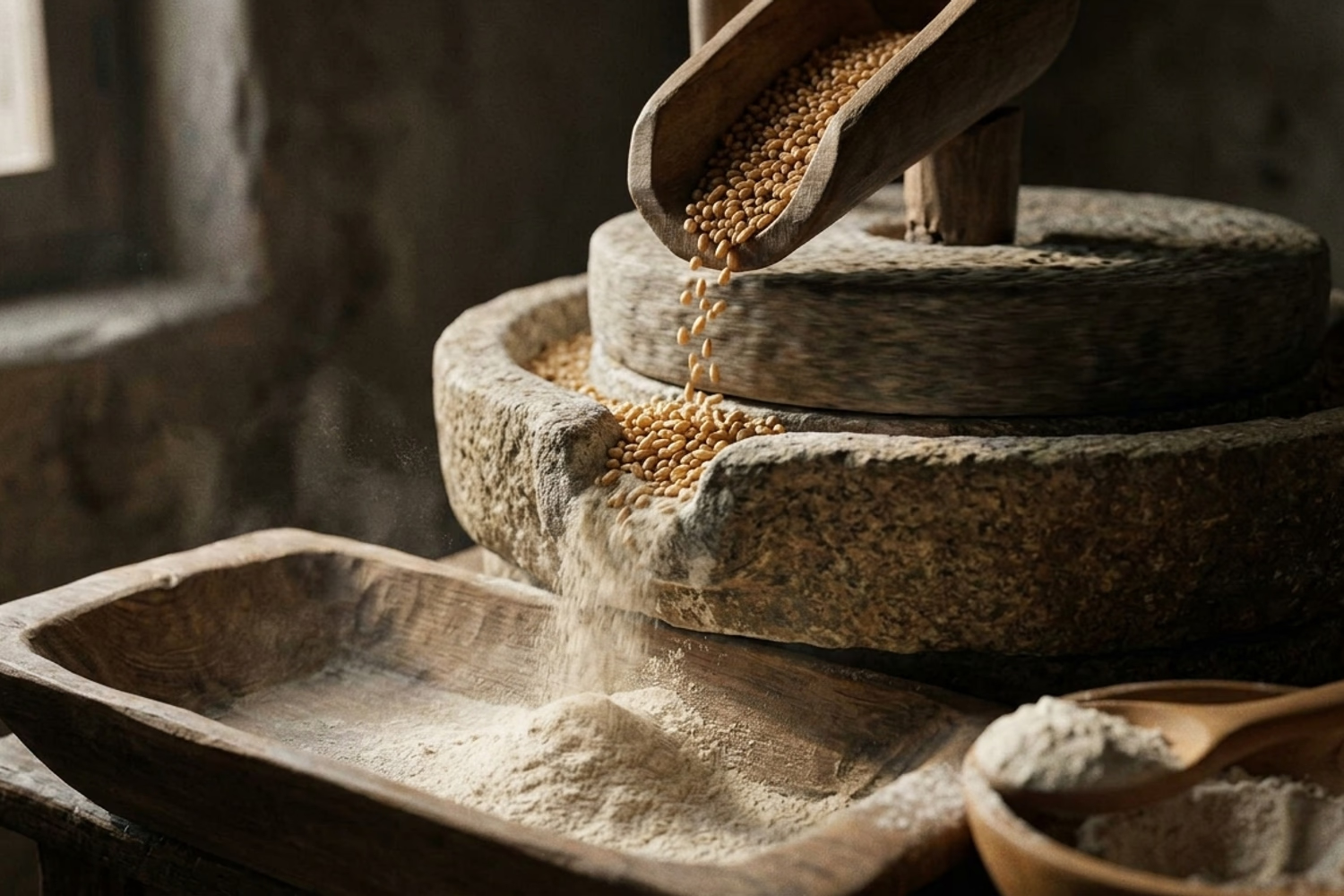
Mill later
For flours, the way we handle time changes. Rather than treating flour as something that should spend unnecessary time already milled, Earthenic keeps the grain intact longer and mills in considered batches closer to requirement.
Pack when there is someone to pack it for
The operational system follows the philosophy. Where feasible, products are packed against requirement rather than simply waiting indefinitely as finished inventory.
Then verify what the senses cannot
Testing provides another layer of scrutiny. [Exact test panels, laboratory partners and applicable standards appear here once approved.]